
The Internet of Things (IoT) connects physical things, such as machines, vehicles, meters, cold rooms and even shop shelves, to the internet so they can send data and be monitored or controlled remotely. Falling sensor costs, affordable mobile data and cloud platforms have made IoT practical for businesses of all sizes, not just large factories.
How IoT works
Most IoT solutions have four layers:
- Devices and sensors that measure something: temperature, location, vibration, energy use, footfall or machine status.
- Connectivity that sends the data: Wi-Fi, 4G or 5G, LoRaWAN, NB-IoT or Bluetooth.
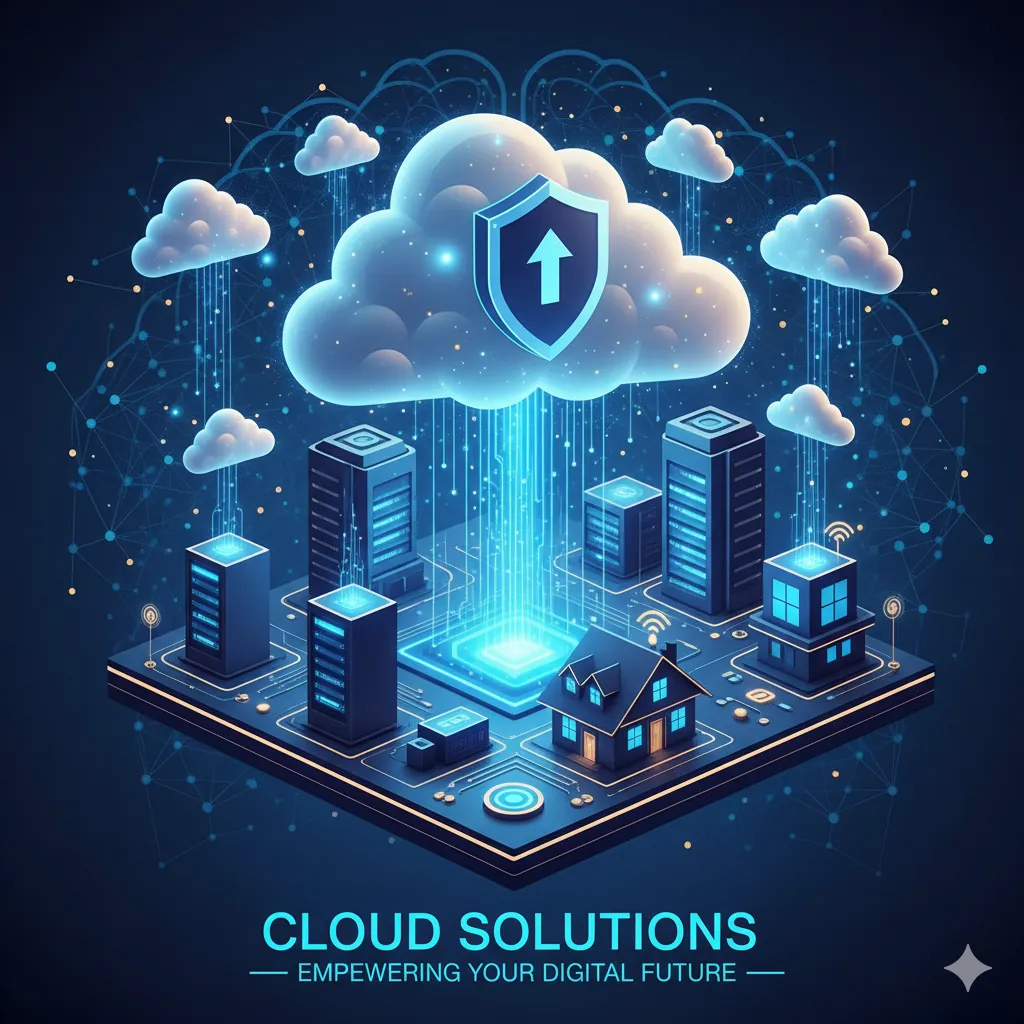
- A cloud platform that stores and processes the data and triggers alerts.
- Applications, such as dashboards and mobile apps, where people see insights and take action.
Common IoT use cases
Asset and fleet tracking
GPS trackers show where vehicles, equipment and shipments are in real time, helping reduce theft, fuel misuse and delays.
Cold chain monitoring
Temperature sensors in cold rooms, trucks and pharmacy fridges send alerts the moment conditions go out of range, protecting food, medicines and vaccines.
Predictive maintenance
Vibration and temperature sensors on motors, pumps and machines detect problems early, so you can repair before a breakdown stops production.
Energy management
Smart meters and sensors show exactly where electricity is used and can switch off equipment automatically, cutting power bills in offices, hotels and factories.
Smart retail
Footfall counters, smart shelves and digital signage help retailers understand customer behaviour and manage stock better.
Facility management
Water level sensors, air quality monitors, smart access control and CCTV analytics make buildings safer and cheaper to run.
Benefits of IoT for businesses
- Real-time visibility into operations, from anywhere.
- Lower costs through less downtime, energy savings and less waste.
- Better decisions based on actual data instead of guesswork.
- Improved quality and compliance with automatic records.
- New services, such as remote monitoring offered to your own customers.
Challenges to plan for
- Security: every connected device is a possible entry point. Change default passwords, update firmware and encrypt data.
- Connectivity: choose the right network for your location, especially in rural areas.
- Integration: IoT data is most valuable when connected to your ERP, billing or maintenance systems.
- Data overload: focus on the few metrics that drive decisions.
How to start with IoT
- Identify one costly problem, such as machine breakdowns, spoiled stock or high power bills.
- Run a small pilot with a few devices in one location.
- Measure the savings in money and time.
- Scale gradually once the pilot proves its value.
Conclusion
IoT turns physical operations into data you can see and act on. Start with one clear problem, prove the value with a small pilot and grow from there.
Codingrim builds the dashboards, mobile apps and cloud back-ends that bring IoT data to life for businesses across Tamil Nadu. Explore our mobile app development and cloud services, or discuss your IoT idea. See how IoT applies to manufacturing and agriculture in Tamil Nadu.
Frequently Asked Questions
What is IoT in simple words?
IoT, the Internet of Things, means connecting physical objects such as machines, vehicles and sensors to the internet so they can send data and be monitored or controlled remotely.
How can IoT help a small business?
IoT can track vehicles and assets, monitor cold storage, predict machine breakdowns, reduce electricity use and provide real-time visibility of operations from a phone.
Is IoT secure?
It can be, if you change default passwords, keep device firmware updated, encrypt data, separate IoT devices from your main network and choose reputable hardware and platforms.